

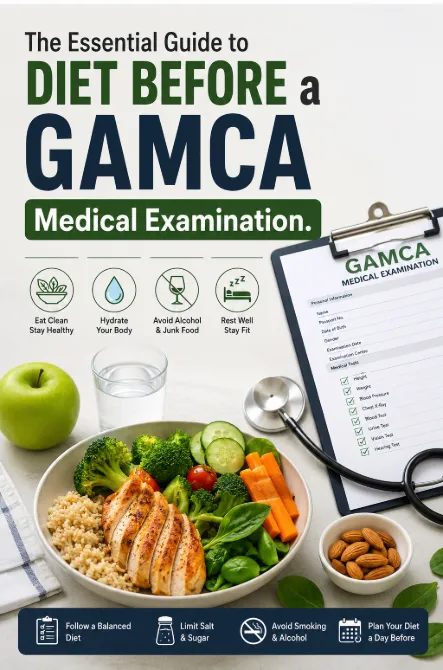
One of the first things you usually have to do when you’re going to a country in the Gulf region for work, study or long-term residence is to undergo a required medical examination – now done through the Wafid system – known as the GAMCA Medical Examination. Getting a medical fit report is a crucial stage in the visa application process for employment visa applicants.
Every year some applicants are declared medically unfit due to underlying health issues that are detected during the process of the exam, which could impact their eligibility to work in the GCC countries.
In this article, we will be talking about the best food to eat, the habits you should have and practical tips that can help you to feel your best before your GAMCA Medical Examination.
Why is diet important before a medical examination?
From a routine health exam to a visa medical exam, there’s nothing like fuelling your body with the right nutrients.
Generally, a balanced diet can help:
· Keep energy even.
· Boost your immune system.
· Ensure hydration of the body.
· Promote healthy digestion.
· Take away any fatigue and tiredness.
· Provide overall physical wellbeing.
While food will not alter laboratory results, nor cure any medical conditions that you already have, eating a healthy diet will help your body work normally and help you approach your examination feeling your best.
Focus on Whole, Nutritious Foods
The week or so leading up to your medical exam is a great time to make a better switch to healthier eating.
Fresh Fruits and Vegetables
Fruits and vegetables contain vitamins, minerals, antioxidants and fibre that play a vital role in numerous body processes.
Good options include:
· Apples
· Oranges
· Bananas
· Papaya
· Spinach
· Broccoli
· Carrots
· Cucumbers
· Tomatoes
Try to get vegetables with lunch and dinner and one or two servings of fruit all day long.
Choose Lean Protein Sources
Protein plays an important role in maintaining muscles and repairing body tissues.
Healthy protein foods:
· Skinless chicken
· Fish
· Eggs
· Lentils
· Chickpeas
· Kidney beans
· Low-fat yogurt
· Cottage cheese
Limit processed meat, which can be high in sodium and unhealthy fat.
Eat More Whole Grains
Whole grains are rich in complex carbohydrates which release energy slowly.
Examples include:
· Brown rice
· Oats
· Whole wheat bread
· Millet
· Barley
· Quinoa
These foods all have dietary fiber to help with digestion.
Healthy Fats Are Also Important.
Healthy fats are good for the heart and can help your body absorb vitamins.
Have some:
· Almonds
· Walnuts
· Peanuts
· Flaxseeds
· Chia seeds
· Olive oil
These are foods that should be used in moderation within a well-balanced diet.
Stay Well Hydrated
Water is one of the most essential nutrients required by the body on a daily basis.
Consume sufficient fluid all day long rather than when thirsty. Maintaining proper hydration helps to keep blood flowing, body temperature normal, and keeps a person well.
Options are improved:
· Plain water
· Coconut water (without added sugar)
· Lemon water
· Unsweetened herbal tea
When possible, restrict intake of sugary soft drinks and energy drinks.
Foods to limit prior to your appointment.
Small amounts of high-fat, nutrient-poor food items don’t seem to be a big issue, but sometimes it’s better to limit low-nutrient foods.
Try to limit:
· Deep-fried foods
· Fast food
· Sugary desserts
· Packaged snacks
· Soft drinks
· Excessively salty foods
Light, balanced meals might help you feel better before your appointment.
Don’t drink alcohol or smoke.
The effects of alcohol and tobacco on overall health have been well established. By avoiding these habits before your medical test helps to promote overall health and indicates healthier lifestyle decisions.
Try to cut back on or stop smoking under the advice of a health care provider.
Don’t Forget About Sleep
· Rest is essential to good nutrition.
· Before your appointment:
· Try to get 7-9 hours of sleep.
· Avoid staying up late.
· Maintain a normal sleep schedule.
· Limit screen time before sleep.
Good sleep helps you focus on tasks, stay energized and healthy.
Should You Skip Breakfast?
Generally, don’t skip breakfast unless you’ve been told to do so by the medical centre or your healthcare professional.
Light meals are those that contain:
· Oatmeal with fruit
· Whole wheat toast and boiled eggs
· Yogurt and fresh fruit.
· One banana and some nuts
If there are recommendations by the medical center, follow the fasting instructions.
Common Myths About Diet Before Medical Tests
Some people think that certain food or drinks will enable them to pass a medical exam. It is a common misconception.
· There are a number of misunderstandings.
· Myth: Over-hydrating will boost test scores.
· Truth: Keeping hydrated is helpful, but too much water doesn’t affect medical results.
· Fact: There is no way to get a healthy report from a detox drink.
· Fact: Detox products don’t have scientific proof of altering a typical medical exam.
· Myths: Going without food will affect blood tests.
· The truth: Only fast if told to do so by the medical centre.
Final Thoughts
You shouldn’t think of preparing for a Gamca medical exam as a “shortcut” or “cutting corners”, you should think of it as taking care of your health. To prepare for test day, make sure to have a balanced meal, drink plenty of water, get a good night’s sleep and follow any directions given to you by your healthcare team.